One month it’s imported goji berries, the next it’s a specific type of exotic green.
While embracing health trends is great, they often come with a hefty price tag—both literally and figuratively.
Let’s talk about Maria, who stood in the produce aisle, eyeing a pricey bag of imported kale.
She knew kale was good for her, but at $6 a bag, it felt like a splurge she couldn’t consistently afford.
She was caught between wanting to be healthy
and needing to be financially smart.
The key to a truly healthier and more cost-effective life isn’t chasing trends
it’s committing to the simple, abundant wisdom of eating local and seasonal.
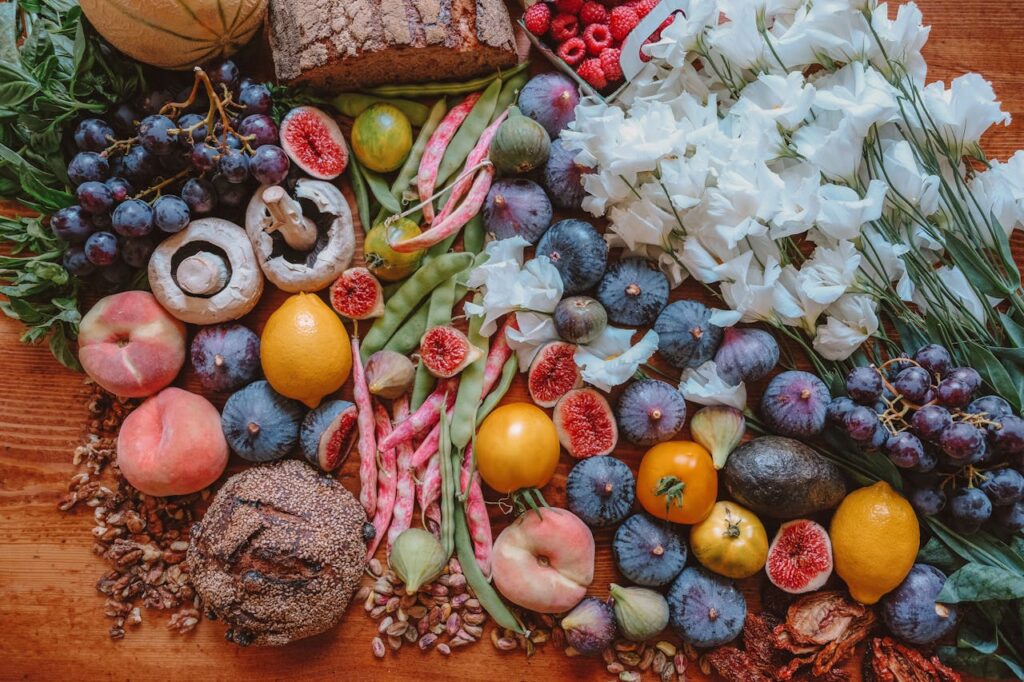
Here is why embracing the “Rainbow on a Budget” is the single best decision for your health
your wallet, and your taste buds.
Cheaper By the Season
One of the reasons seasonal, locally-sourced produce costs less is simple economics: abundance and proximity.
When a fruit or vegetable is in season locally, there is a massive surplus, driving the price down.
For instance, those vibrant strawberries or crisp green beans haven’t traveled thousands of miles, eliminating the costs associated with:
Shipping and Fuel: No air freight or cross-country trucking.
Refrigeration: Less energy needed to keep produce “fresh.”
Storage Time: It goes from the farm to your table much faster.
That $6 bag of kale, shipped from a different climate, is expensive because of its journey.
The locally-grown, in-season squash or bunch of carrots, however, is a fraction of the price and often exponentially fresher.
Your wallet is always rewarded for aligning with nature’s rhythm.
The Health Win: Diversity Over Trends
It’s true that kale is a powerhouse of nutrients.
But the greatest nutritional mistake we make is relying on just one or two “superfoods.”
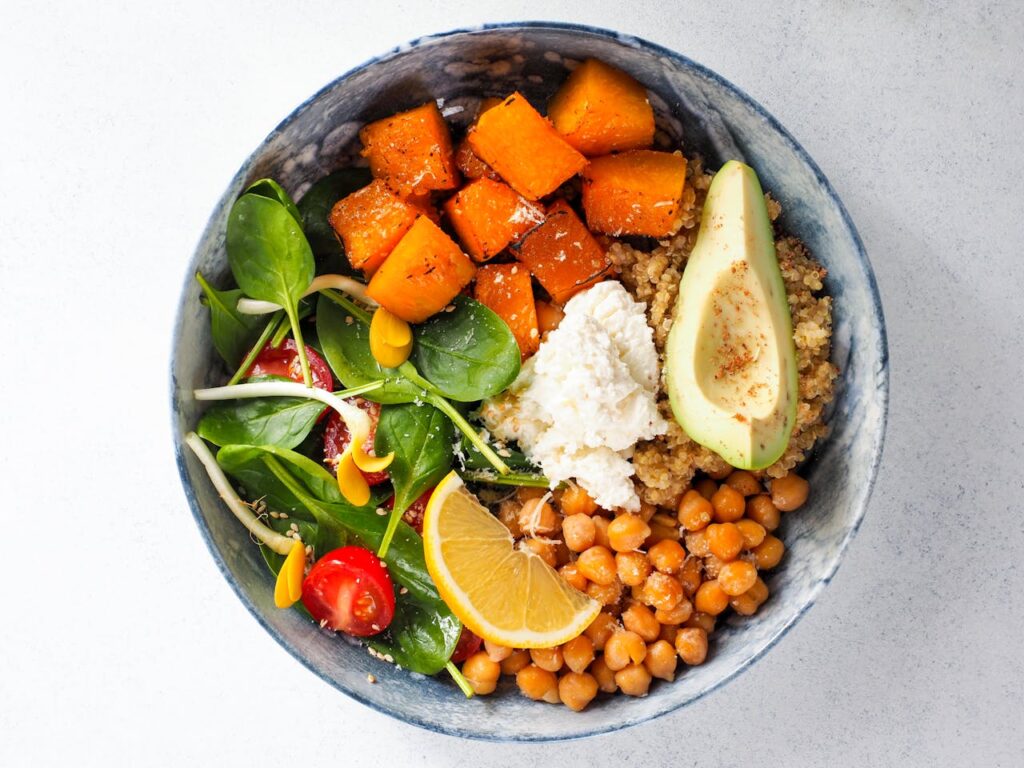
Health isn’t about eating a single green; it’s about eating a Rainbow.
Different colors in fruits and vegetables signify different health benefits, driven by distinct phytochemicals and antioxidants:
Reds (tomatoes, radishes) offer Lycopene for heart health.
Oranges/Yellows (carrots, bell peppers) provide Beta-Carotene for eye health and immunity.
Greens (broccoli, spinach) offer Folate and Vitamin K for blood health.
Blues/Purples (berries, eggplant) contain Anthocyanins for brain health.
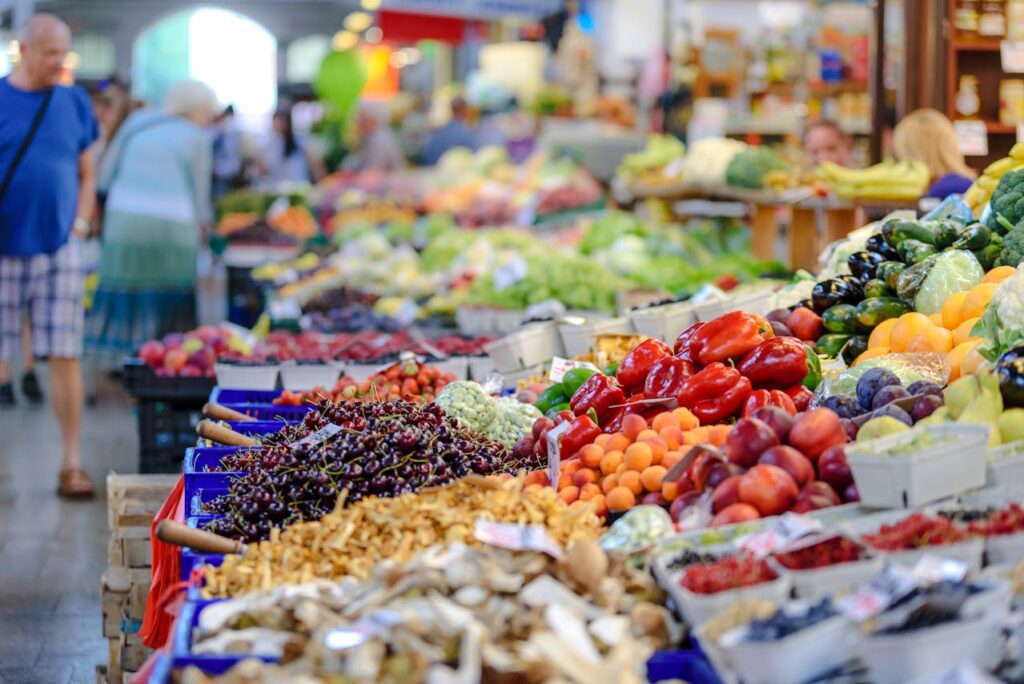
By focusing on buying whatever is cheapest and most abundant at your local farmer’s market—which can be, by definition, is seasonal—you naturally force yourself to embrace a wider variety of colors.
This diversity ensures your body gets a complete, powerful spectrum of nutrients that no single trendy superfood can provide.
The Taste Win: Experience the Real Flavor
Think back to the last time you ate a tomato in January. It was likely pale, watery, and had the texture of rubber.
That tomato was picked hard and green, then artificially gassed to turn red during shipment. It simply cannot compare to the real thing.
Imagine Maria, walking past the expensive imported kale and instead
choosing a handful of local, in-season peaches in the summer.
They are heavy, fragrant, and so juicy they practically drip down her chin. That is the taste of peak ripeness.
When produce is seasonal and local, it is often allowed to fully ripen on the vine or tree, developing its maximum sugar, flavor
and, most importantly, nutritional density. This means eating healthy is not a chore—it’s a simple, delicious pleasure.
Your New Weekly Habit
Embracing seasonal and local eating is the ultimate win-win. It can be an easy, cost-effective way to boost your nutritional intake while reconnecting with the true, vibrant flavor of food.
Stop feeling pressured by expensive trends. Start viewing your shopping trip as a treasure hunt for the best value and flavor nature has to offer.
Your Action Step: This week, instead of heading straight for the imported produce, visit a local farmer’s market or simply check your local grocery store flyer to see what produce is on sale (usually a strong indicator that it’s in season!). Also do a quick online search of seasonal produce in your region.
Thank you for continuing to connect with me from these posts! I look forward to our next session and seeing what topic we unravel next.